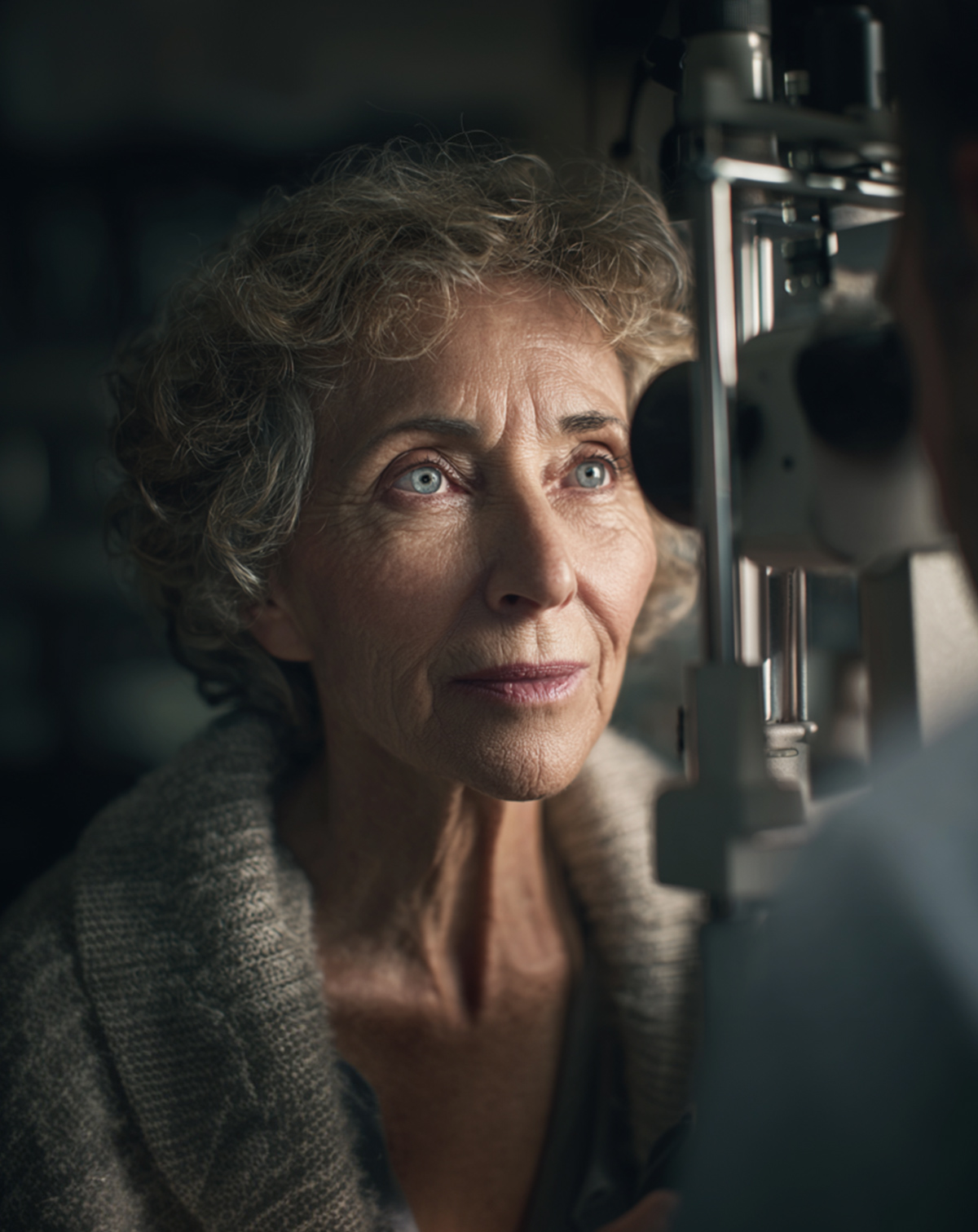
Early Detection and Expert Care from a Board-Certified Ophthalmologist
David Swenson was losing his eyesight and felt nervous about surgery. After his procedure, the results spoke for themselves. Hear David describe his experience at Arizona Eye Institute, from the nerves beforehand to the clarity that followed.
Dr. Patrick S. Kelley and medical optometrists Mark Yates and Daniel Valdes use advanced tools to diagnose glaucoma. This includes the CIRRUS™ optical coherence tomography (OCT) test, which obtains a detailed picture of your eye. Our eye care professionals serving the greater Phoenix, AZ, area may also have you take a visual field test to examine your peripheral vision. During your visit, we will check the pressure of your eye as well. We also offer several noninvasive, highly effective tools to diagnose, monitor, and treat glaucoma.
Our comprehensive practice provides friendly, patient-focused care for glaucoma and much more. We invite you to view this video to get a sense of why patients trust us, and how you can benefit from our cutting-edge care.
Glaucoma refers to a group of eye diseases that often cause elevated pressure within the eye, putting stress on the optic nerve. Open-angle glaucoma causes gradual damage; closed-angle glaucoma is a medical emergency. Prevention is the best treatment, but we are prepared to provide treatment at any stage of the condition to help you maintain your best possible vision.
Early action is key to preventing vision loss from glaucoma. Gradual vision loss is often the most common sign of glaucoma, but other symptoms can indicate glaucoma as well. If you notice any of these irregular vision symptoms, request an appointment at one of our Greater Phoenix offices in Sun City West, Sun City, or Wickenburg right away.
Patients with glaucoma may notice haziness in their peripheral vision. If you experience this symptom, reach out to Arizona Eye Institute in Phoenix immediately for a comprehensive eye exam.
Glaucoma is incurable, but professional treatment can manage intraocular pressure and help prevent further vision loss.
/
Glaucoma is most often caused by elevated pressure inside the eye resulting from overproduction or impaired drainage of fluid. The increased pressure can eventually damage the optic nerve, resulting in permanent vision loss.
Many factors can put a person at risk for glaucoma, and the factors can vary based on the type of glaucoma that develops. The following are some of the most common risk factors for glaucoma.
You should have your first glaucoma exam by age 40 and undergo regular exams as often as your doctor recommends.
Hispanics and people of African descent are more likely to develop glaucoma than Caucasians.
Genetics play a part in developing glaucoma. If you have a family history of glaucoma, you're at a higher risk for developing the disease.
Eye exams are the only way to determine if you have glaucoma. Attending regular eye exams at our offices in the Phoenix, AZ, area will allow our eye care professionals to detect glaucoma early and prevent the progression of the disease.
While a family history of glaucoma does not mean you're guaranteed to develop the condition, it does increase your risk. Knowledge of your family history can help you take a proactive approach to prevention.
Since conditions such as diabetes and high blood pressure can increase your chances of developing glaucoma, it's crucial to eat a balanced diet and remain active.
Smoking is linked to a number of health issues, including an increased risk of glaucoma and other eye diseases. Avoiding tobacco products can help you maintain your vision.
Severe eye trauma can lead to glaucoma, which is why it's important to use eye protection when performing activities that can harm the eyes.
Following a laser procedure, you will need to maintain ongoing visits with our doctors. This will allow us to monitor your progress and determine the best course of action moving forward.
As our patient, you can expect clear and explicit instructions to help you experience the best possible recovery following surgical glaucoma treatment. Because this is a comprehensive practice, you can depend on us for ongoing care to make certain you experience the best possible vision for the rest of your life.
Lee Fisher
Sun City West, AZ
2025
SC Droge
Sun City, AZ
2025
Arizona Eye Institute & Cosmetic Laser Center was founded in 1989 and has locations in Sun City West, Sun City, and Wickenburg, AZ. We help patients from the Phoenix area and beyond improve and maintain their vision through quality eye care. Our doctors are affiliated with prestigious organizations, including:
To request a consultation, please fill out our online form or call (623) 975-2020.
Locations
We have 3 locations the Greater Phoenix area
Alverna, 5-Star Review
“Very efficient, friendly & professional services!”